Comparison
Epicondylitis Clasp or Support? The Differences at a Glance
Most epicondylitis clasps and tennis elbow supports work by applying pressure to the forearm muscles. The Masalo Cuff MED uses counter-traction instead – here you can see how the two principles differ.
Contents
Key points at a glance
- Clasps and conventional supports usually work with compression, often via a pressure pad.
- The Masalo Cuff uses counter-traction: pulling forces are redirected to the upper-arm strap.
- Without pressure, the cuff can be worn for long periods and also at night.
- Which principle suits you is best discussed with your doctor.
How does an epicondylitis clasp work?
Epicondylitis clasps and many tennis elbow supports, splints and orthoses work on the compression principle. A strap or a pelotte – a firm pressure pad – lies on the forearm muscles below the elbow. The pressure on the muscle bellies is intended to relieve the tendon attachments.
How does the Masalo Cuff work?
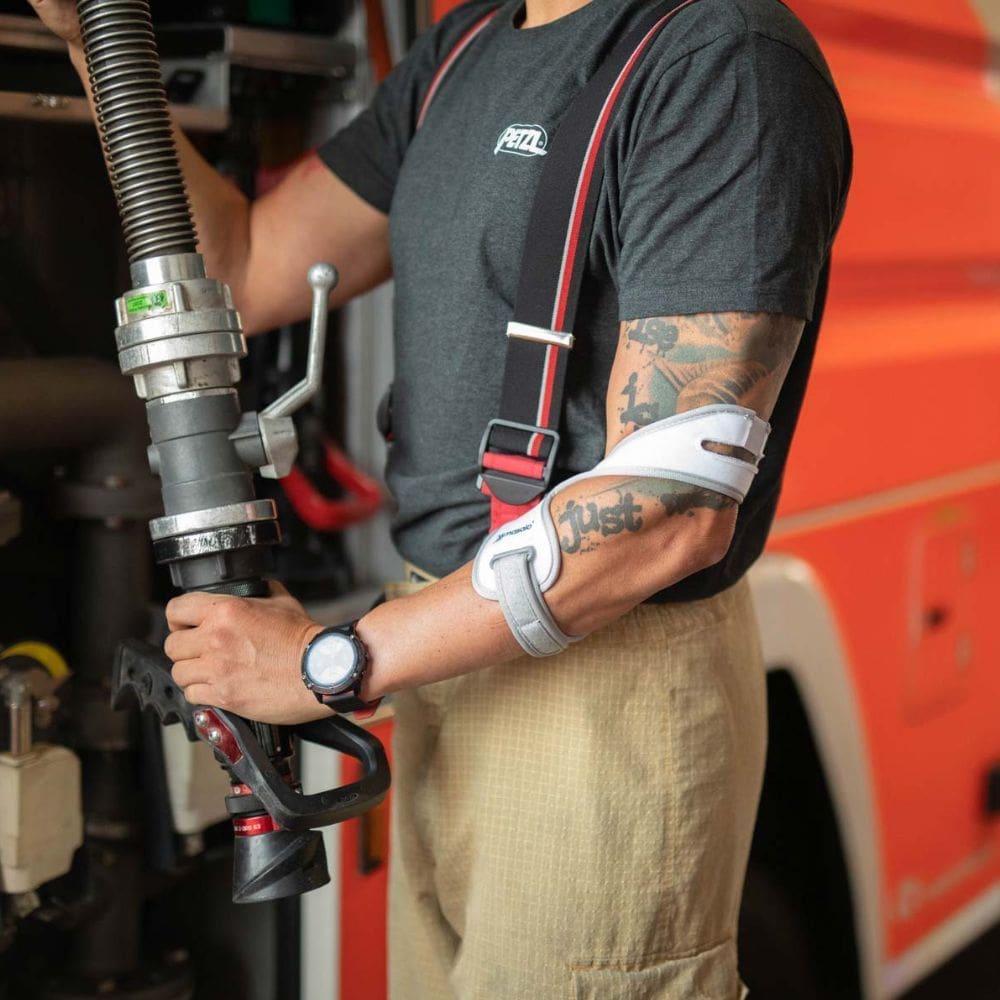
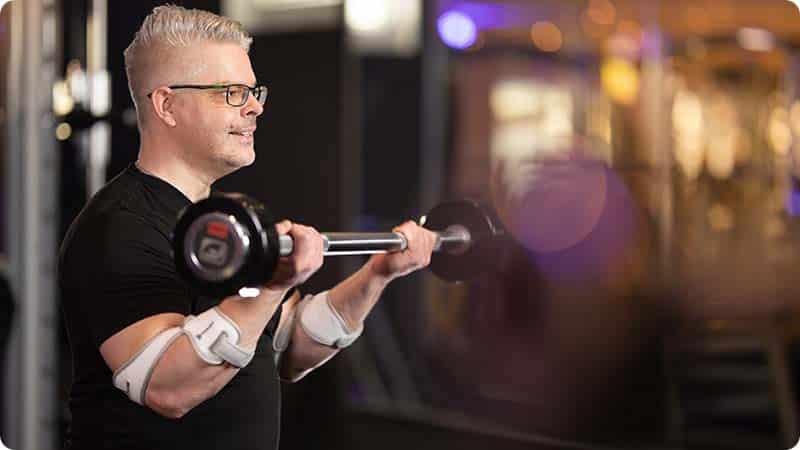
The Masalo Cuff does not rely on pressure; instead, it targets the pulling forces themselves. A forearm cuff in the middle of the forearm is connected to an upper-arm strap by a patented design. When you straighten your arm or put strain on it, counter-traction is created, which is intended to redirect the forces to the upper-arm strap.
Explained in detail: How the counter-traction principle works. Which part does what is shown on the page about how the cuff is constructed.
Clasp and counter-traction support compared
| Feature | Clasp / compression support | Masalo Cuff MED |
|---|---|---|
| Principle | Compression: pressure on the forearm muscles | Counter-traction: pull towards the elbow |
| Position | Strap or pad below the elbow | Cuff in the middle of the forearm, strap just above the elbow |
| Approach | Pressure on the muscle bellies is intended to relieve the tendon attachments | Pulling forces are intended to be redirected to the upper-arm strap |
| How it feels | Pressure on the forearm | No pressure; noticeable resistance when straightening the arm |
| Wearing time | Depending on the model and the manufacturer's instructions | Without compression, can be worn continuously, including at night |
The table describes the working principles. It makes no claim as to which aid will help you more.
What sets the Masalo Cuff apart in everyday life
- At night too: circulation is not impaired, so the cuff can be worn around the clock.
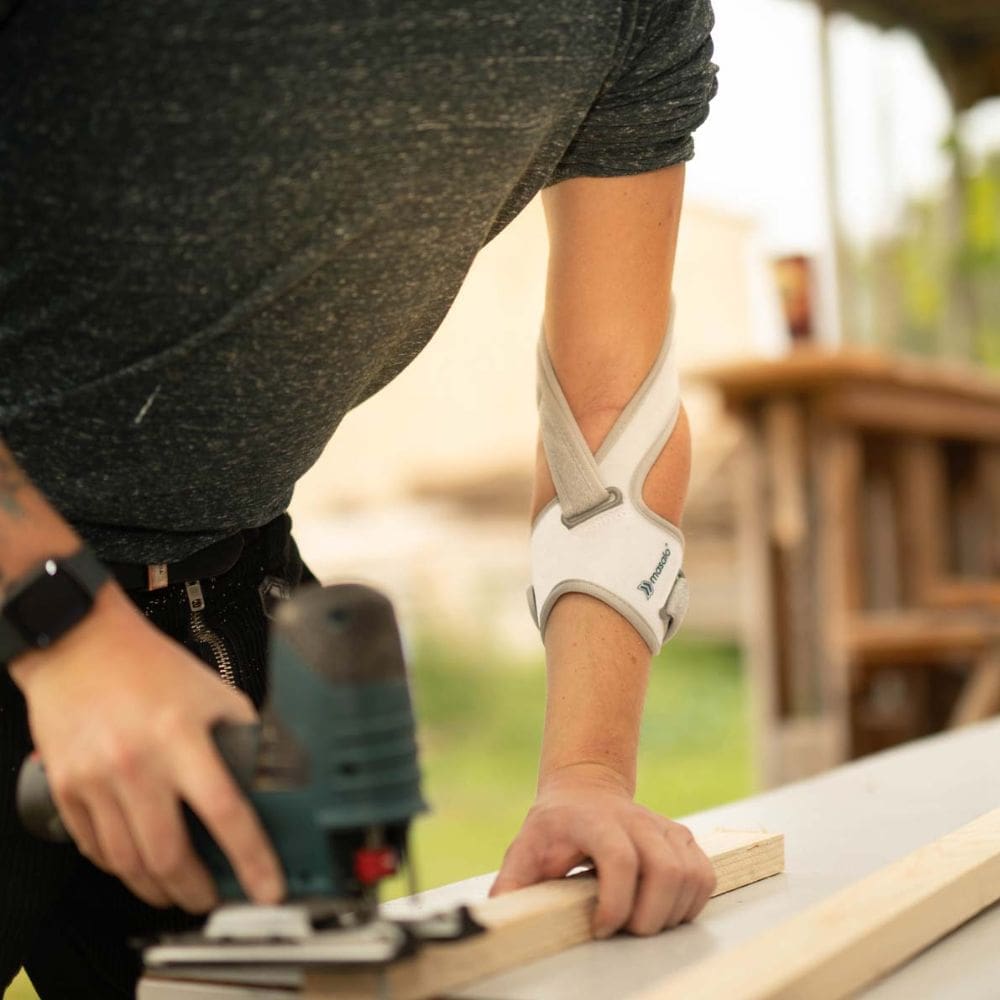
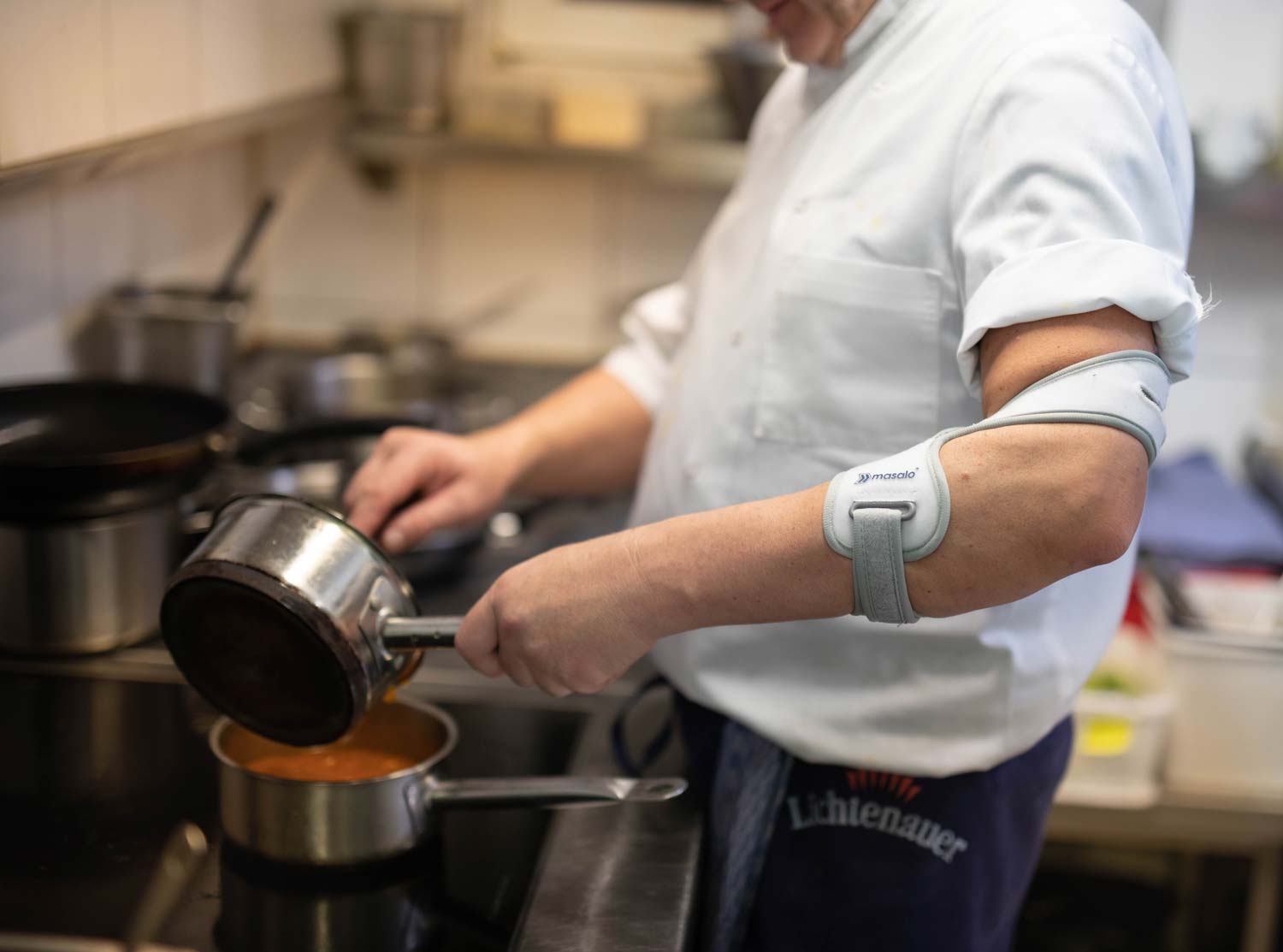
- Washable: suitable for professions with high hygiene standards, for example in nursing and care, hospitals, nurseries or catering.
- In the water: can also be worn while swimming, surfing or stand-up paddleboarding.
- Discreet: fits under a shirt and other clothing.
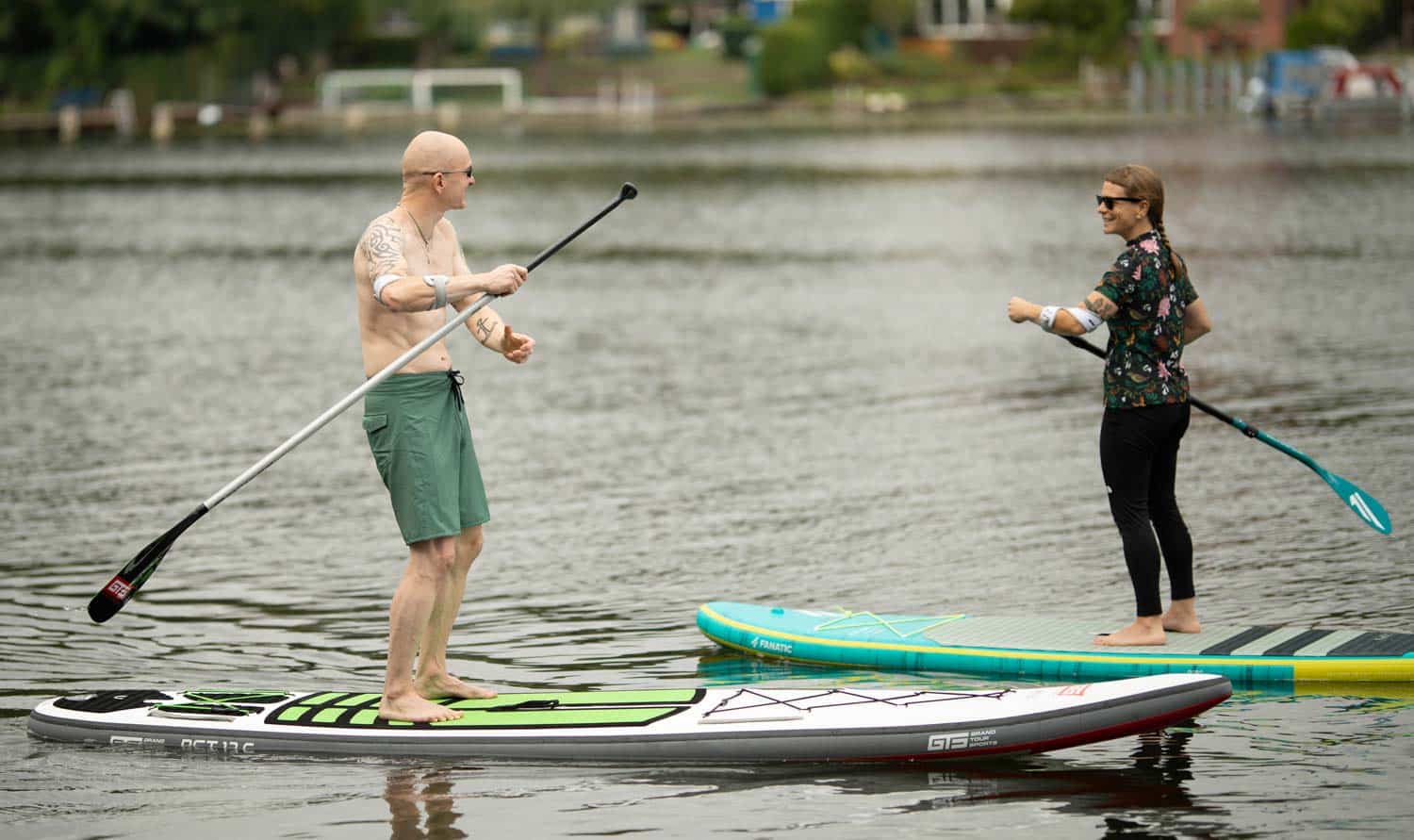
You can read how to adapt the setting to different situations in our everyday tips.
Clasp or cuff: which suits me?
There is no aid that works the same for everyone. Which principle may be suitable for your symptoms is best discussed with your doctor. The Masalo Cuff MED is a medical device and is listed in the German register of medical aids (Hilfsmittelverzeichnis) under number 23.08.04.0042.
You can check in advance with a simple hand grip whether the counter-traction takes effect for you: Who is the Masalo Cuff suitable for?